Why These Bakeries Matter
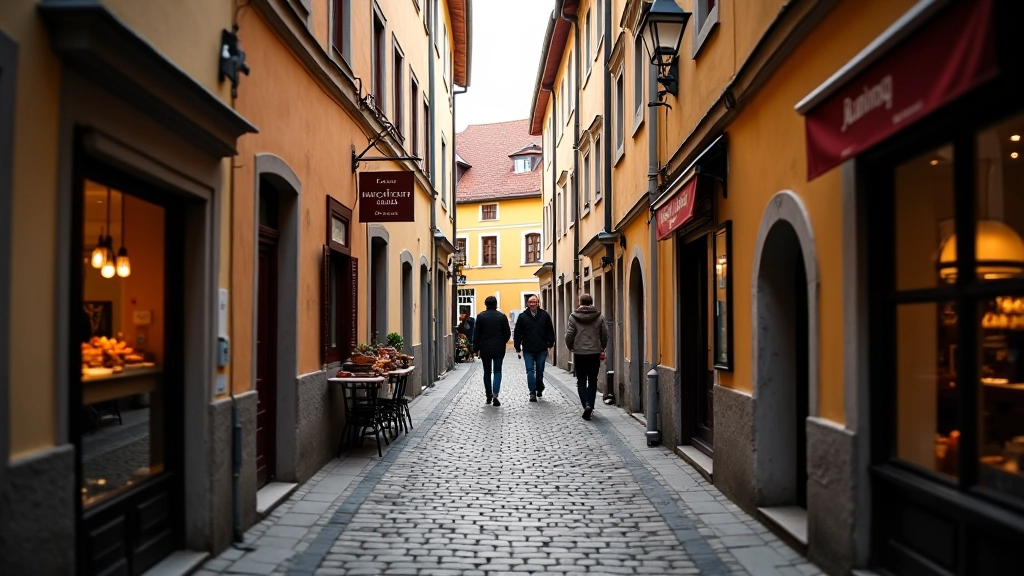
Walk through Old Town on any morning and you'll smell it — that yeasty, grain-forward aroma that's been here for centuries. The bakeries we've picked aren't famous. They don't have Instagram accounts or tourist guides written about them. What they do have is consistency. They're still using the same methods their families started with decades ago, and that makes them worth your time.
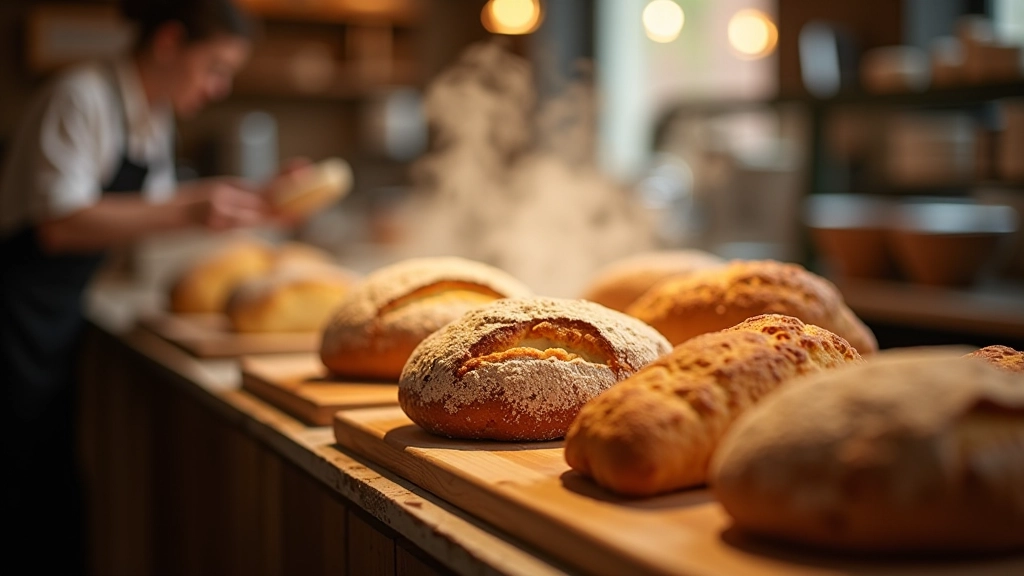
The difference between hand-made and industrial baking is obvious once you taste it. Real sourdough rye bread takes time — fermentation happens overnight, sometimes longer. The crust develops character. The interior stays moist for days instead of going hard by afternoon. Small-batch pastries use better ingredients and don't sit under heat lamps.
Understanding Lithuanian Rye Bread
Rye bread isn't an option here — it's the foundation. You'll find it in every bakery window, and for good reason. Rye grows well in Lithuania's climate. It's hardy, reliable, and it produces bread with deeper flavor than wheat. The grain contains more fiber, which means it keeps longer and stays fresher longer.
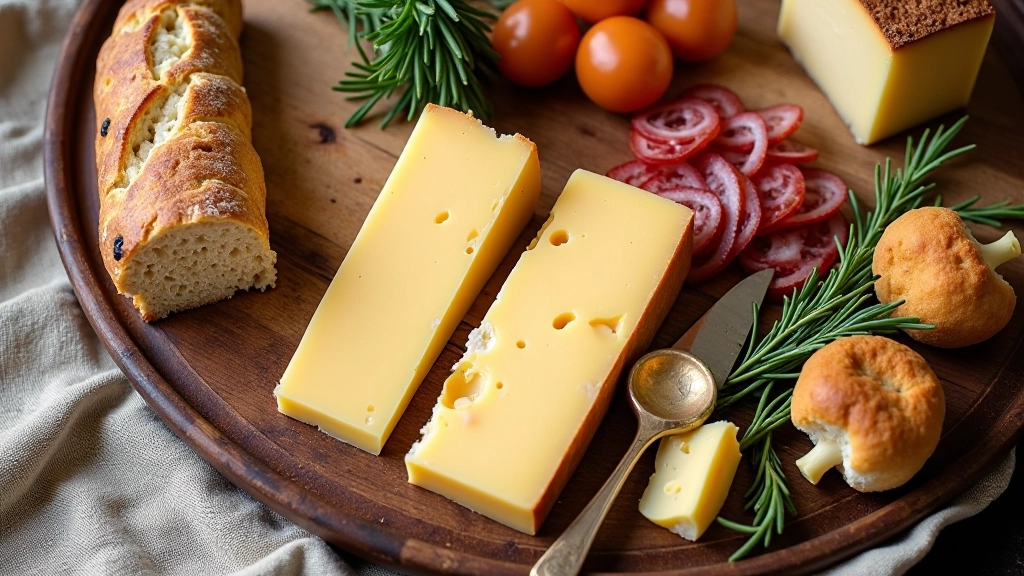
When you bite into proper rye bread, you're tasting fermentation. The sourdough cultures break down the grain slowly, which creates complexity. It's not sweet like some breads. It's subtle, slightly tangy, and pairs perfectly with cheese or cured meat. The density feels substantial in your hand but the crumb is fine and open if it's been made right.
The Five Bakeries: What to Find There
These aren't fancy destinations. They're working bakeries where locals buy bread daily. You'll see repeat customers. You'll hear Lithuanian being spoken. That's how you know they're doing something right — people come back because the product is good and the price is fair.
What You'll Find
- Fresh rye bread pulled from the oven in the morning
- Pastries with real butter and fruit fillings
- Seasonal items like poppy seed rolls in winter
- Staff who can explain what's in each item
The first bakery you should visit opens at 6 AM. They're ready for the morning rush — office workers grabbing a roll, parents buying pastries for their kids' breakfasts. By 9 AM, they've often sold out of specific items. This isn't a problem. It means the bread is fresh daily, not baked yesterday.
Timing Your Visit
Bakeries are morning places. You'll have the best selection between 7 AM and 10 AM. After that, choice narrows. By afternoon, they've sold the popular items and restocked with what's left from morning batches. If you want to taste what's actually made fresh, arrive early. It's worth setting your alarm.
Summer changes the schedule. Many bakeries reduce hours in July and August because locals are on holiday. Call ahead or ask at your accommodation — staff will know the current hours. Winter brings the opposite problem — you'll find more variety in colder months because people bake more and bakeries expand their offerings.
How to Taste Like a Local
Don't just buy and walk away. Sit down. Bring a coffee or tea. Break the bread open while it's still warm and pay attention to what you're tasting. Real rye bread has a slight sourness from fermentation. It shouldn't taste artificial or too sweet. The crust should snap when you bite it, not be soft all the way through.
Ask questions. Most bakery staff enjoy talking about what they make. They can tell you which items are best today, which ones were just baked, and what ingredients go into the pastries. This conversation is part of the experience. It's how you move from tourist to person who actually understands the place.
Pro Tip: Bring a bag. Many bakeries don't provide bags or charge for them. Carrying bread home in a proper container keeps it fresh and prevents it from getting crushed in your backpack.