
Seasonal Tasting: What's Best to Eat Now
Different seasons bring different producers to market. This guide shows you what's fresh right now, which producers are actively selling, and which routes make sense depending on the month.
Author
Vilnius Food Walks Editorial Team
Editorial Team
Written by the Vilnius Food Walks editorial team, focused on honest, practical guidance for exploring local cheese and pastry traditions in the Old Town.
Spring: When Everything Wakes Up
Spring in Vilnius isn't just about warmer weather — it's when producers come back to regular market schedules. Most cheese makers ramp up production in April and May because milk supply increases. You'll notice rye bread becomes fresher more often, and producers stop relying on winter storage batches.
The real shift happens around April 15th. That's when spring greens and fresh dairy products become more available. Many Old Town vendors open their Saturday stalls again after winter gaps. It's worth checking if your favorite cheese maker has returned to regular hours before making the trip.
Spring Producers Worth Finding
- Cheese makers focusing on fresh curds and young wheels
- Bakeries switching from stored rye to daily-baked varieties
- Herb and vegetable-infused products making their return
Summer: Peak Season for Everything
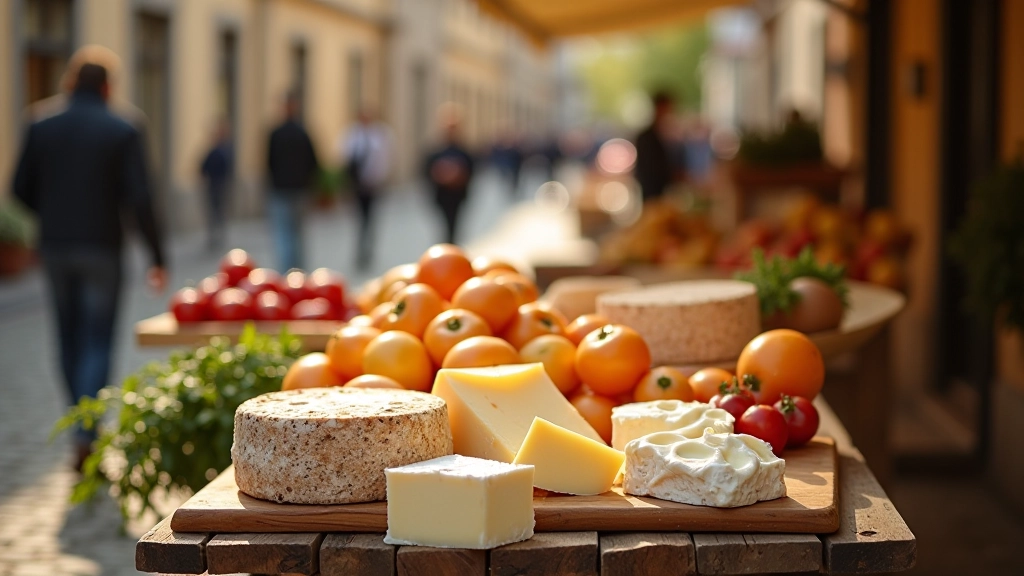
July and August are when you'll find the widest selection. More producers set up regular stalls, and the Old Town itself attracts more foot traffic. This means longer hours and more consistent availability — but also more crowds on weekends.
Summer production peaks in July. Cheese makers are working at full capacity, bread bakers are experimenting with seasonal variations, and artisanal pastry shops introduce fruit-based fillings. Expect to pay standard prices during this season since demand is highest.
We're writing this in late July, and right now you'll find fresh curd-based cheeses being made almost daily. Several producers have started doing morning batches because the demand is constant. If you want the freshest possible cheese, Tuesday and Wednesday mornings tend to be quieter than weekends.
Autumn: Quality Over Quantity
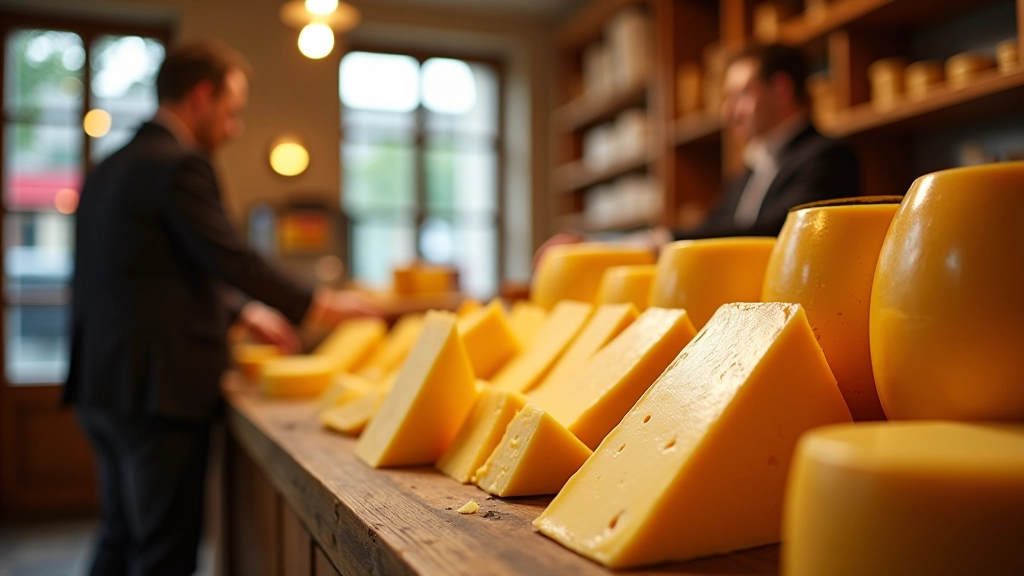
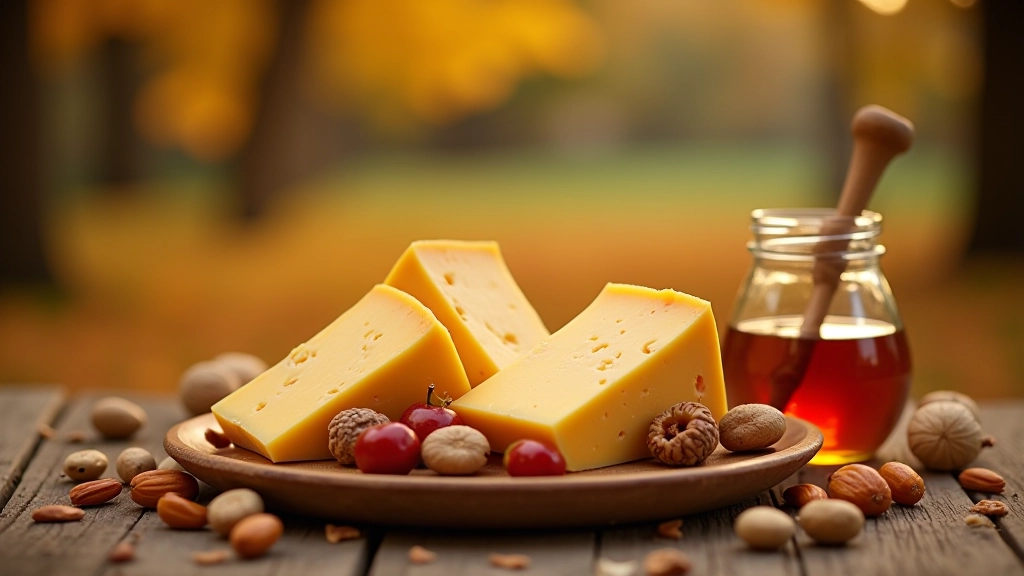
September through October brings a shift in what's available. Production doesn't drop dramatically, but it becomes more selective. Cheese makers focus on aging batches from summer rather than fresh production. Bakeries transition toward heavier, winter-friendly bread varieties.
What you gain in autumn is consistency. Many small producers narrow their hours to focus on quality rather than volume. This actually means better products for those who know where to look. Aged cheeses from summer batches reach their peak, and rye bread develops deeper flavor profiles.
Expect more specialty items in September and October. Producers experiment with autumn-themed pastries, and cheese aging becomes the focus. It's also quieter in the Old Town, so you can actually talk to makers about their process and preferences.
Winter: Where Quality Really Matters
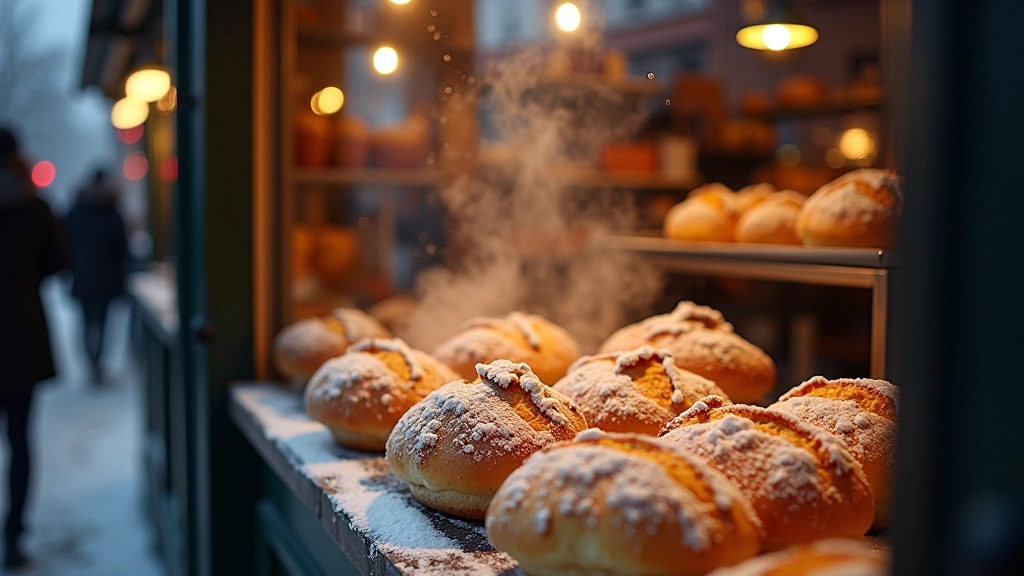
Winter is the toughest season for regular producers. Some reduce hours significantly. But here's the thing — the producers who do stay active year-round are usually worth your time. They're committed to the craft, not just the summer tourist money.
December through February is when you find properly aged cheeses that've been sitting for months. Bread becomes heartier — think dense rye varieties and sourdough that's built for cold storage. It's not the season for variety, but what you find is solid.
Many producers consolidate their schedule in winter. Instead of daily stalls, they might do Thursday through Sunday only. Check ahead before visiting. On the upside, you'll meet the actual makers more often since it's less crowded. They're usually happy to chat about their methods and recommendations.
Planning Your Seasonal Route
Here's what works: Pick 2-3 producers you actually want to visit, check their hours online (most update seasonally), and plan a route that takes 90 minutes max. Don't try to hit everything in one trip. You'll enjoy the experience more and actually get to know the people making the food.
Spring and summer? Go for volume — try new producers. Autumn and winter? Go for depth — stick with places you like and develop relationships. That's how you learn which cheese maker makes what best, or which bakery has the freshest batch on Thursday mornings.
Practical Tips by Season
Spring (Apr-May)
Call ahead — producers are reopening. Ask about morning batches. Expect fresh curds and new wheels.
Summer (Jun-Aug)
Visit midweek for shorter lines. Peak selection and availability. Standard pricing year-round.
Autumn (Sep-Oct)
Fewer stalls but better conversations. Aged products are at their peak. More peaceful experience.
Winter (Nov-Mar)
Check hours carefully — many producers reduce schedules. Go for substance over variety.
The Real Pattern
Seasonal tasting isn't complicated — it's just paying attention. When producers are active, what they're focused on, and when you'll actually find them in the Old Town. That's it. Once you figure out your favorite producer's rhythm, the whole experience gets easier and more rewarding.
Start simple: Pick one season, choose 2-3 producers based on what interests you, and make a route. You'll learn more from doing that once than reading guides all year. And honestly, that's how real food appreciation starts.
About This Guide
This guide is informational and based on typical seasonal patterns in Vilnius. Producer schedules, hours, and availability can change. We recommend contacting producers directly or checking local listings before planning your visit. Choose activities that match your fitness level, check local conditions before travelling, and speak with your GP if you have health concerns before starting a new activity.
Keep Exploring
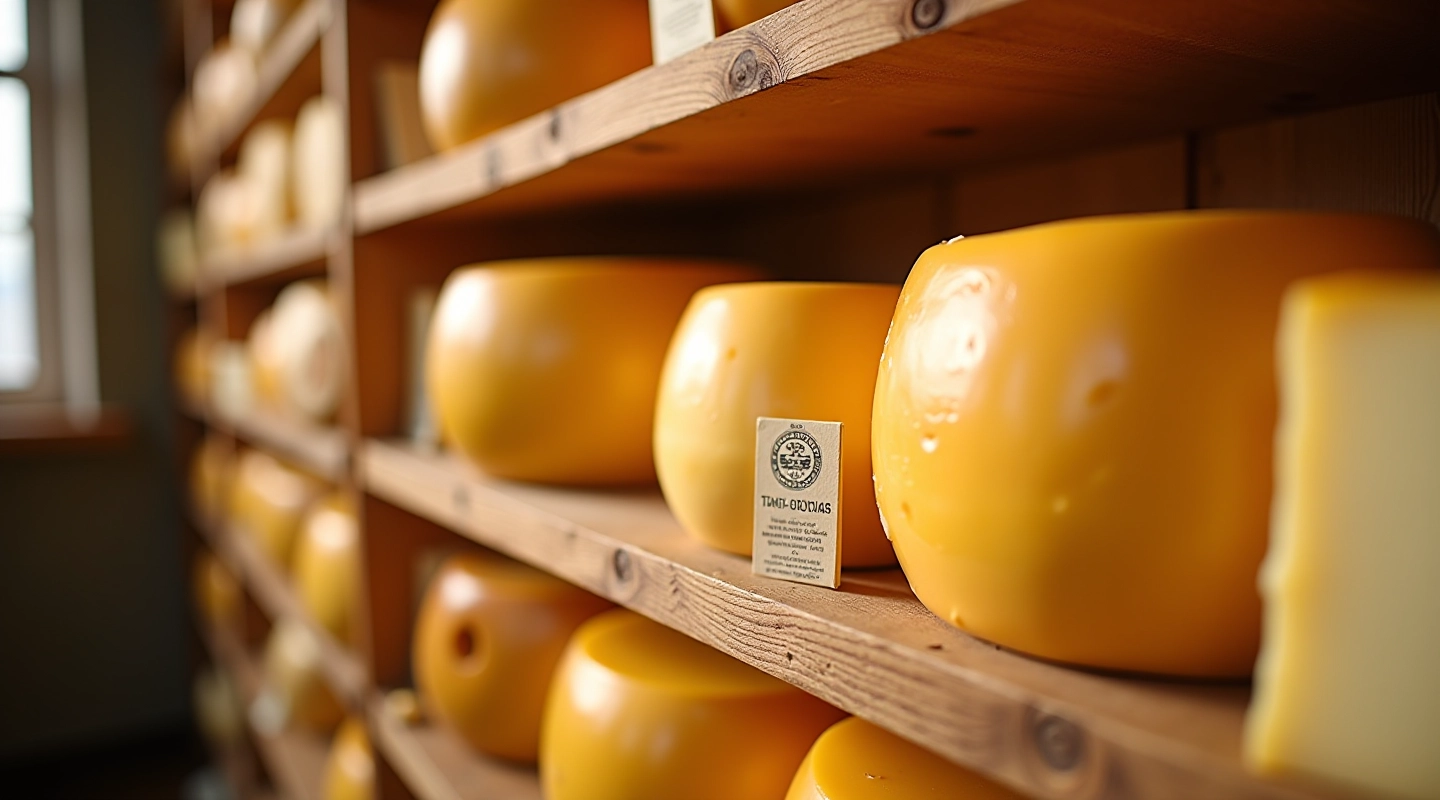
Local Cheese Routes Through Old Town
Map out the best cheese shops and tasting rooms, including which producers still use traditional methods.
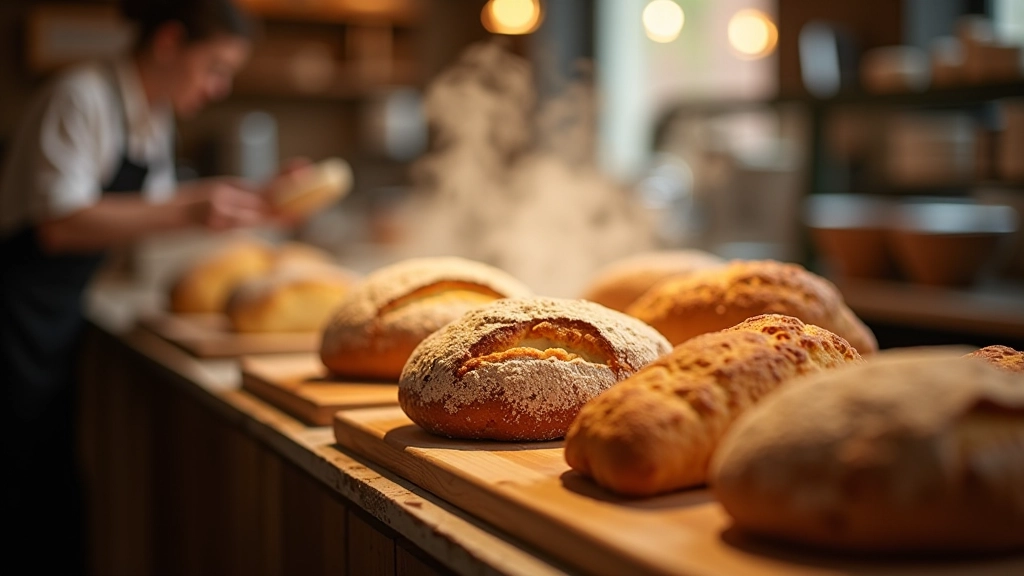
Craft Pastry Walk: Bakeries Worth Your Time
Visit five bakeries that still hand-make their pastries daily. Learn why rye dominates local traditions.
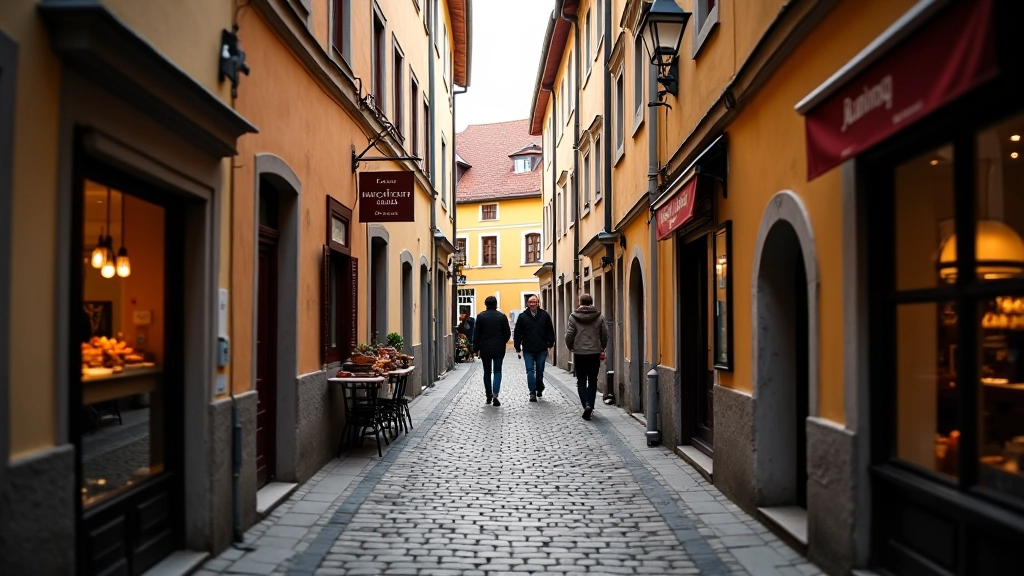
Getting Around: Navigation Tips for Old Town
The Old Town layout confuses first-time visitors. Here's how to navigate the winding streets effectively.