
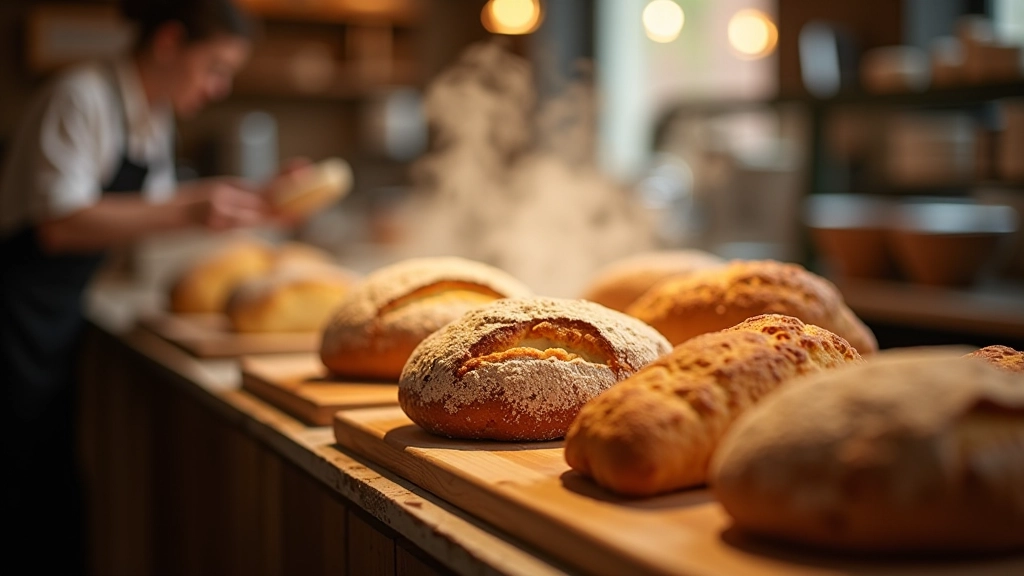
Craft Pastry Walk: Bakeries Worth Your Time
Visit five bakeries that still hand-make their pastries daily. Learn why rye dominates the shelves and discover traditional shapes you won't see anywhere else.
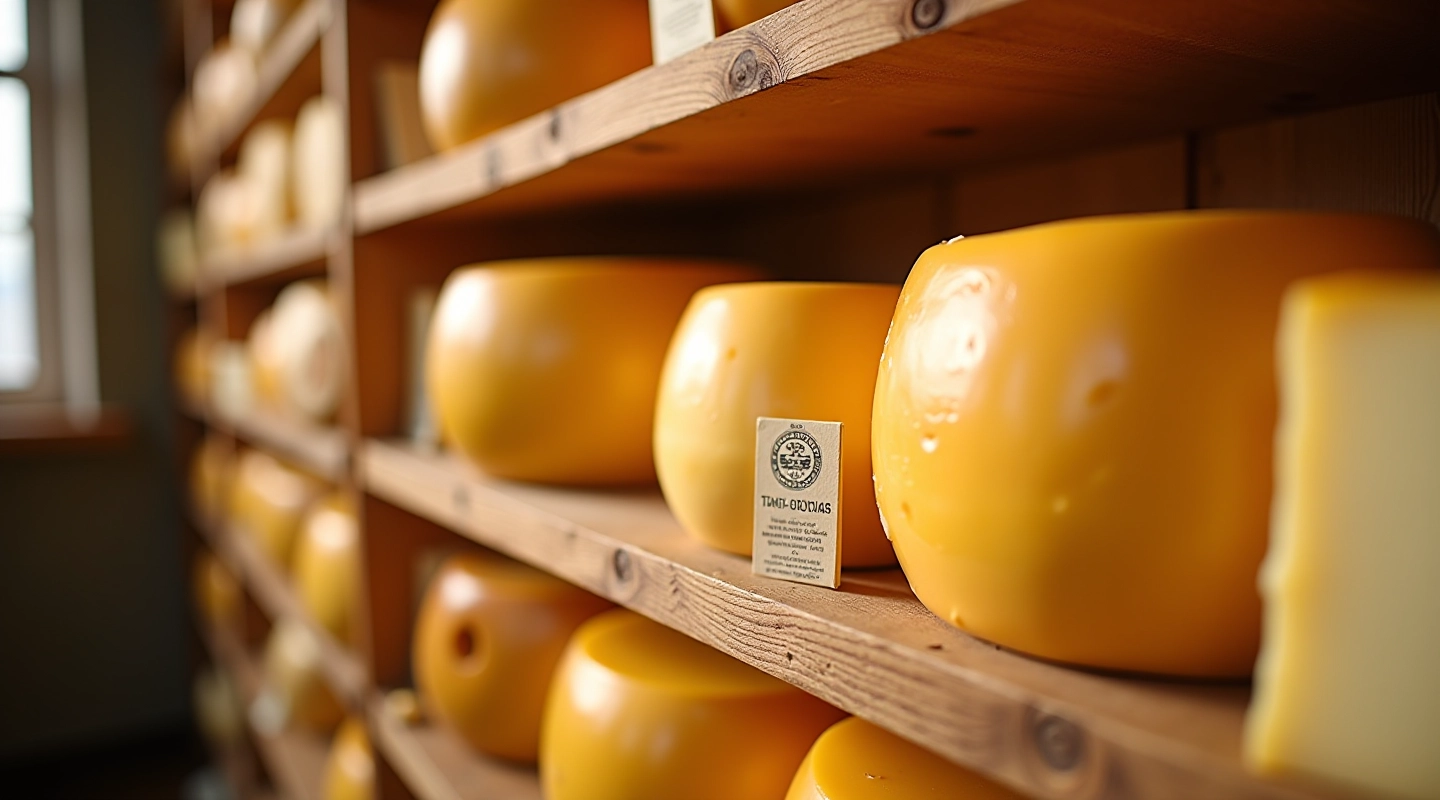
Map out the best cheese shops and tasting rooms, including which producers still make cheese the traditional way and where to find aged varieties you can't buy elsewhere.
Author
Editorial Team
Written by the Vilnius Food Walks editorial team, focused on honest, practical guidance for exploring local cheese and pastry traditions in the Old Town.
The Old Town's cheese shops aren't tourist traps with mass-produced wheels. You're looking at family operations that've been here for decades, some sourcing from the same farms since the 1990s. The thing is, most visitors just walk past them.
There's a reason locals know exactly where to go. Start with Rūdiškės Sūris near the cathedral — they've been making their own cheese on-site for over fifteen years. You'll notice the difference immediately. The textures are denser, the flavors more complex than what you'd find in supermarkets.
Pro tip: Visit between 10am and 1pm when they're restocking. You'll get first pick of the aged batches, and the staff actually has time to explain what you're tasting.
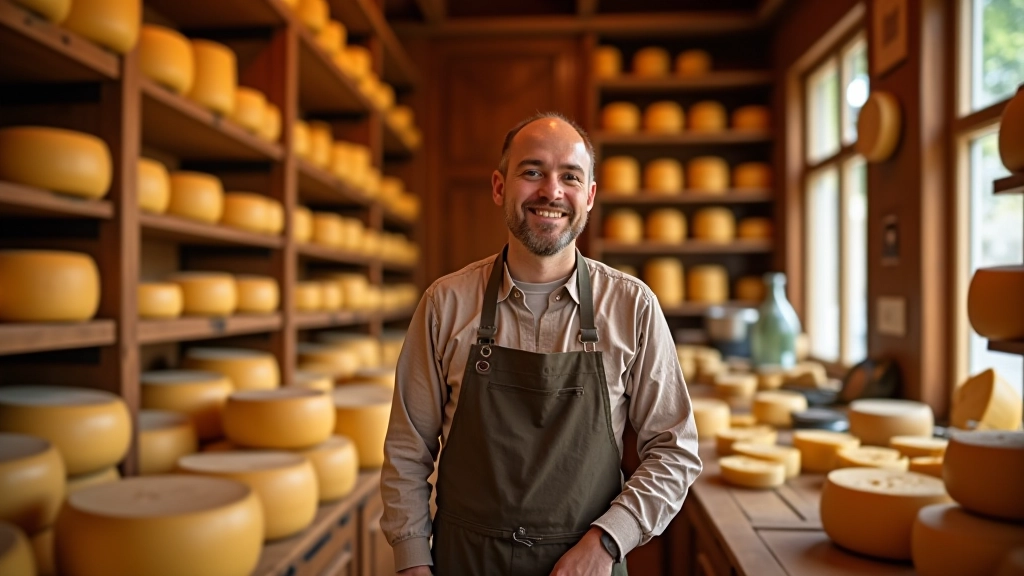
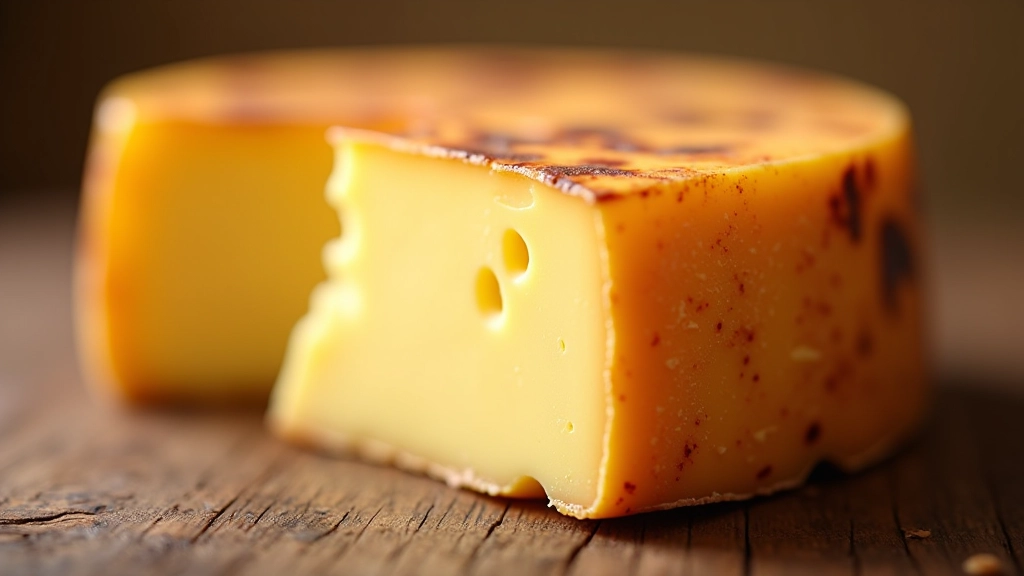
Fresh cheese isn't better or worse — it's just different. The fresh varieties you'll find in the Old Town taste like cream with a hint of salt. They're made within days, sometimes hours. But aged cheese? That's where the complexity lives.
When cheese ages, the proteins break down into amino acids that create those nutty, slightly sharp flavors. A cheese aged 6-8 months tastes nothing like the same cheese at two months. You'll find aged varieties that've been sitting in temperature-controlled caves since early spring.
You don't need a guide to do this properly. The route works best if you walk it on a weekday morning when the shops aren't crowded and owners have time to talk. Start at one corner and work systematically — you'll cover about 2 kilometers total, which takes roughly 90 minutes with tasting stops.
Most producers will let you taste before buying, and they're honest about what works well together. Don't try more than four or five different cheeses in one session — your palate gets fatigued. Bring water and maybe some bread to cleanse between tastings.
Begin your tasting with the freshest options to warm up your palate
Progress to medium-aged varieties to experience flavor development
End with the most complex, fully-developed aged cheeses

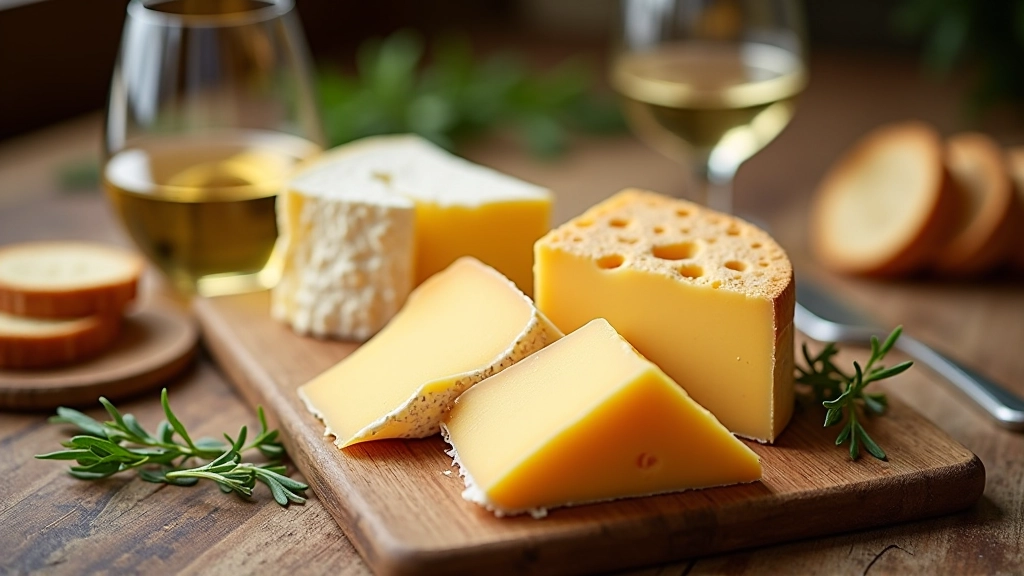
Here's something most tourists don't realize: the cheese available in July isn't the same as what you'd find in December. Summer production focuses on fresh varieties because the milk is abundant. Winter? That's when you get the aged stuff that's been developing since autumn.
Producers tell us their best-aged batches are ready between September and March. If you're visiting in summer, don't expect to find 12-month aged wheels — they'll be sold out or reserved. But summer's fresh cheese is incredible, creamy, and worth the trip on its own.
You'll notice shop owners are surprisingly open about inventory. Ask what just arrived, what's aging in the back, and what's about to sell out. They're proud of their work and genuinely want you to experience the best versions of what they make.
The best cheese experiences happen when you slow down. You're not checking boxes on a list — you're having conversations with people who've dedicated their careers to making something properly. They'll tell you stories about the farms, the techniques, why their process matters.
Take notes on what you taste. Seriously. Write down the name, the age, the flavor notes. It's not pretentious — it actually helps you remember what you liked when you're back home trying to find something similar. And don't skip the bread shops nearby. The local rye bread pairs beautifully with aged cheese, and it's something you genuinely can't replicate anywhere else.
One more thing: if you find a cheese you love, ask about ordering directly. Most producers ship, and you'll get better prices buying direct than through tourist-focused retailers. They'll remember you came in person, and that matters to them.
Choose cheese shops and tasting venues that match your comfort level and dietary requirements. Check local opening hours and seasonal availability before visiting. If you have food allergies or sensitivities, speak with shop staff about ingredients and preparation methods. Walking routes may involve uneven medieval streets — wear appropriate footwear and be aware of local conditions. Always verify current business information before planning your visit.
Visit five bakeries that still hand-make their pastries daily. Learn why rye dominates the shelves and discover traditional shapes you won't see anywhere else.
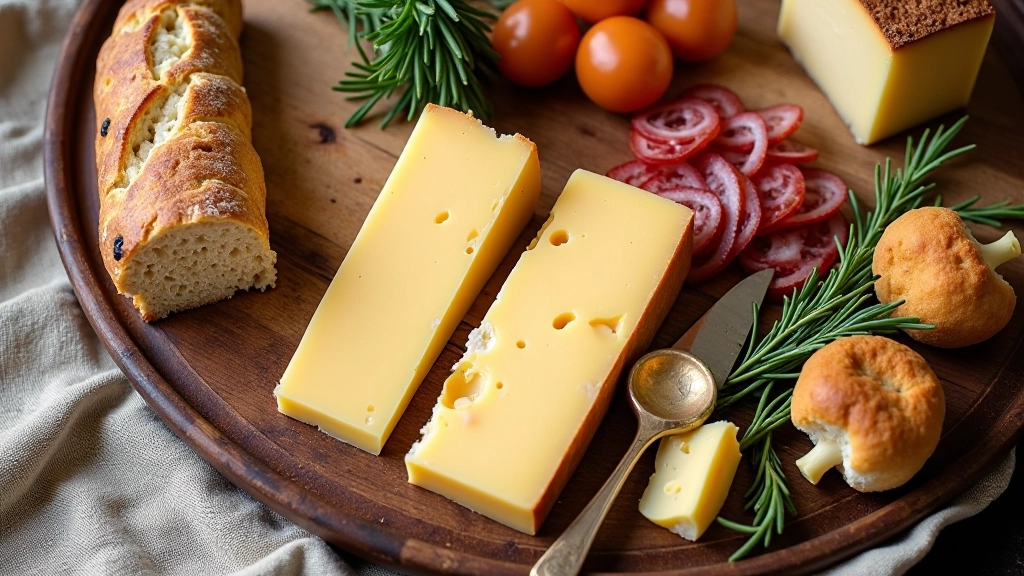
Different seasons bring different producers to market. This guide shows you what's actually available right now and why timing matters.
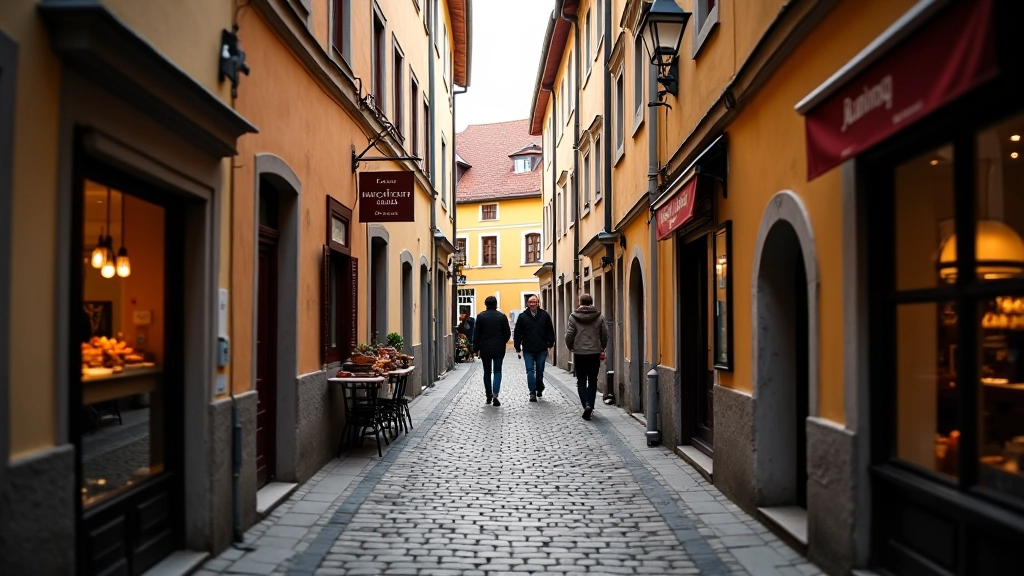
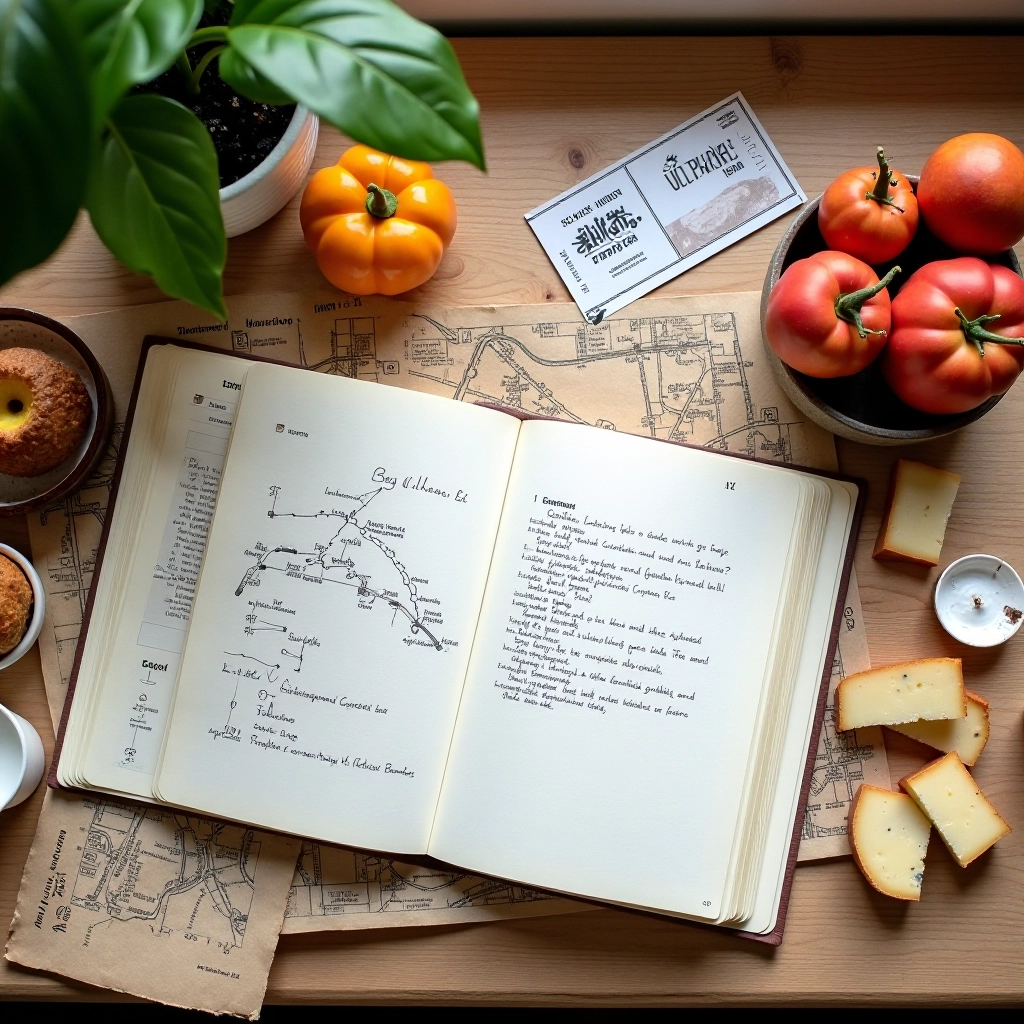
The Old Town layout confuses first-time visitors. Here's how to navigate the winding streets and find what you're looking for.